
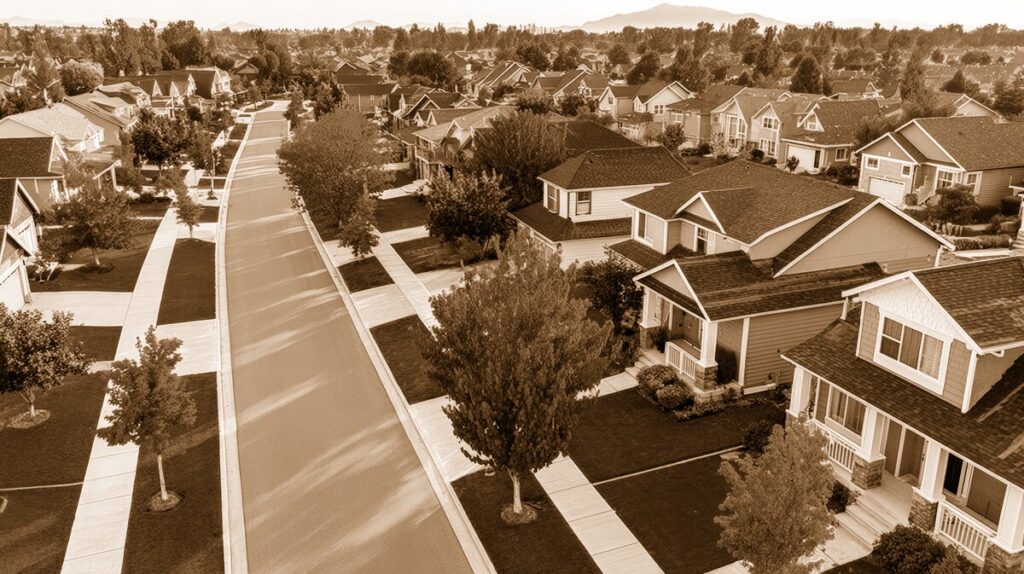
Nestled in the quiet heart of Ludowici, Georgia, Morgan Place is more than just a neighborhood—it’s a tapestry of heritage, perseverance, and community spirit. For residents and visitors alike, a walk through its tree-lined streets is a step back into a story that spans generations. Whether you’re new to the area or a lifelong local, the story of Morgan Place is one worth telling.
The Origins of Morgan Place
The beginnings of Morgan Place, like many enduring communities in Long County, are rooted in both the soil and the stories of those who first called it home. In the early 1920s, Ludowici was a growing railway town, known for its terracotta factory and vital railway junction. Around this time, land just north of the downtown area—primarily consisting of open pine woodland—caught the attention of Henry L. Morgan, a respected local businessman and civic leader.
Recognizing the need for affordable, family-friendly housing as Ludowici prospered, Morgan acquired the land and, with keen vision, laid out wide streets and spacious lots. The neighborhood soon bore his name, “Morgan Place,” in tribute to his community leadership and dedication to local progress.
How Morgan Place Got Its Name
Much of Ludowici’s growth can be attributed to families who invested not only money but heart into the community. Henry L. Morgan was known across Long County for his tireless work supporting local education and commerce. It was his hands-on involvement with the first streets—now known as Morgan Avenue and Oak Street—that earned the neighborhood its name. He saw the creation of Morgan Place as a labor of love, envisioning it as a place where families could thrive.
Key Historical Milestones
From its earliest days, Morgan Place stood out for its sense of close-knit community. As Ludowici expanded, so too did the neighborhood, marking several milestones:
- *1923*: The first homes were built along Morgan Avenue, constructed with locally sourced pine and brick.
- *1935*: The Morgan Place Community Hall, now a cherished landmark, was erected as a WPA project during the Great Depression. It served as a hub for gatherings, school functions, and holiday celebrations.
- *1944*: World War II saw many Morgan Place sons and daughters leave for service. Early residents still remember the neighborhood rallies in support of the troops.
- *1970s*: As Ludowici modernized, Morgan Place saw new street lights, paved sidewalks, and a small community park established at the intersection of Oak Street and Jones Drive—now known as Henry Morgan Park.
- *2001*: The neighborhood was listed as a “Historic Heritage Enclave” by the Long County Historical Society, preserving its classic homes and community spaces.
Notable Landmarks and Institutions
Morgan Place is awash with reminders of its storied past and vibrant present:
- *Morgan Place Community Hall*: This brick building, festooned with decades-old wisteria and the site of countless weddings, dances, and meetings, still stands proud on the corner of Morgan Avenue and Willow Street.
- *Henry Morgan Park*: Once just a vacant lot where children played marbles and tag, this park now features shady oaks, picnic tables, and a lovingly restored iron playground set from the 1960s.
- *Historic Bungalows*: Iconic early 20th-century homes with deep front porches and handcrafted details line the main avenues. The white bungalow at 112 Oak Street is said to have once hosted local jazz musicians.
- *Old Ludowici School Annex*: Bordering Morgan Place on its eastern edge, the school annex, built in 1952, later became a neighborhood library and remains a learning hub today.
How Morgan Place Has Evolved
Throughout its nearly century-long history, Morgan Place has witnessed remarkable change while keeping its sense of identity. In the 1980s, Ludowici began to expand, and Morgan Place welcomed new families from across the region. The once mainly pine-shaded lots gave way to thoughtfully landscaped gardens, and older homes saw careful restorations considerate of their historical value.
Local traditions have also evolved—backyard cookouts and seasonal festivals have replaced some of the more formal gatherings once held at the Community Hall. You’ll still find neighbors waving from their porches, kids on bikes along Morgan Avenue, and annual block parties that bring together new and longtime residents.
What truly sets Morgan Place apart is its unwavering commitment to community. Neighborhood clean-up days, book drives at the library annex, and volunteer-run youth sports leagues in Henry Morgan Park all reflect the close ties that have defined this part of Ludowici for generations.
The Enduring Spirit of Morgan Place
Ask any resident what makes Morgan Place special, and you’ll likely hear stories of kindness, resilience, and shared history. Veterans proudly remember parades marching down Oak Street; teachers recall generations of students walking to school together; and young families speak with gratitude for the safety and friendships they’ve found here.
Today, Morgan Place continues to thrive as a neighborhood where history is honored and community spirit is alive and well. Its streets, parks, and porches are more than landmarks—they’re the living heart of Ludowici’s legacy.
If you’re ever in Ludowici, take a stroll down Morgan Avenue and let the whispers of history and warmth of the community welcome you home.